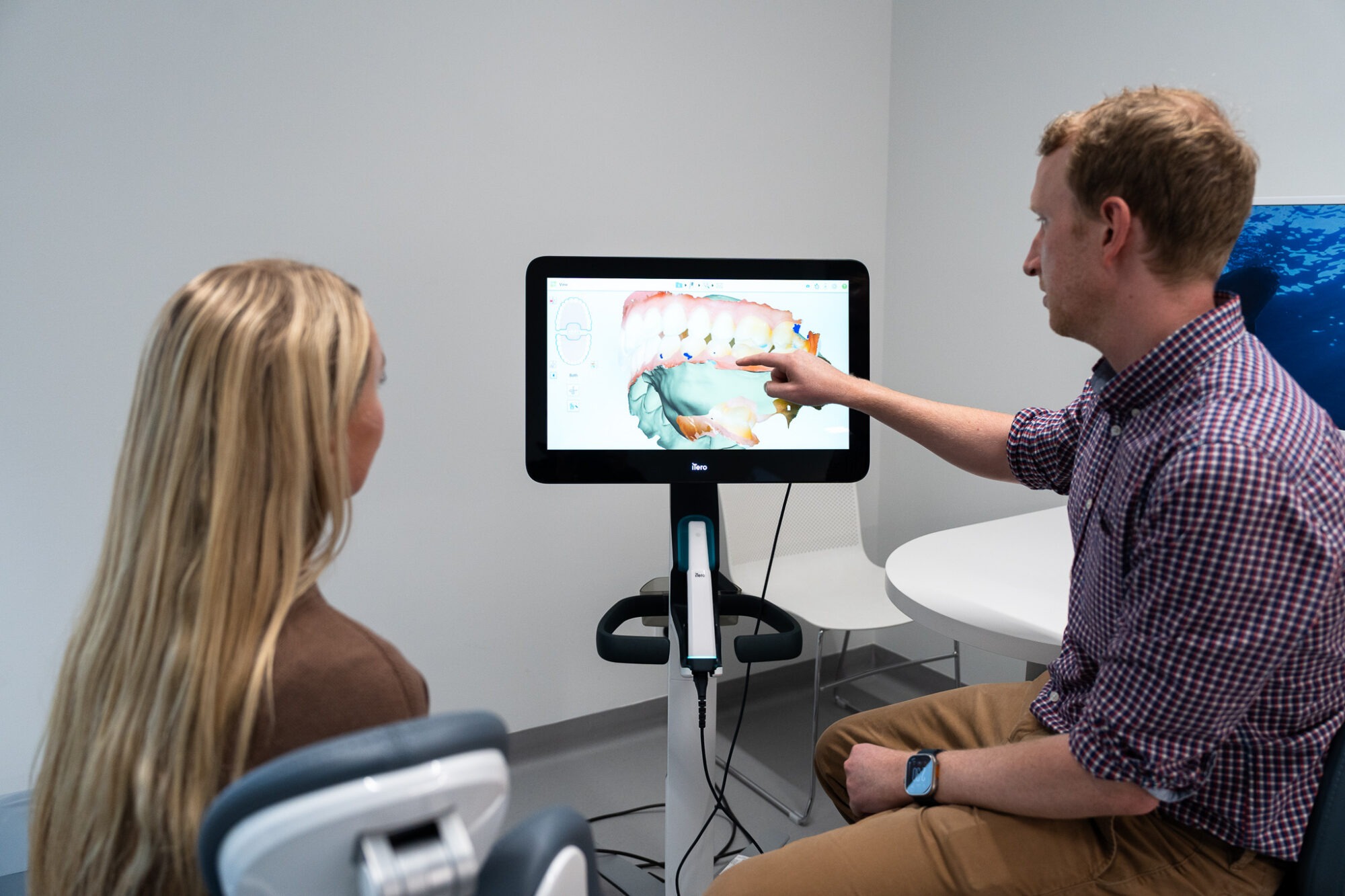
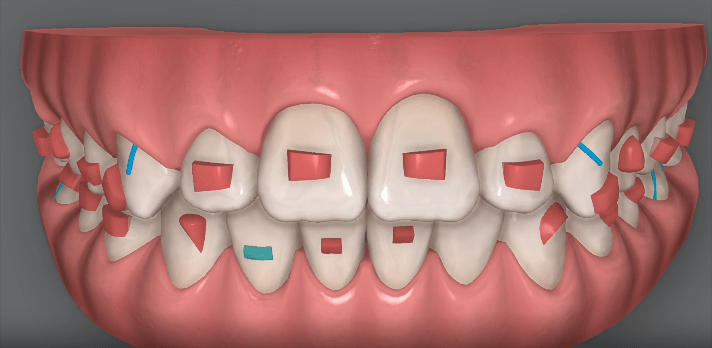
When deciding between braces and aligners, it’s essential to consider both personal preference and scientific evidence. A study published in The Angle Orthodontist by Buschang etal (2014) compared the efficiency of aligner therapy and conventional edgewise braces. Their research, which evaluated 300 patients treated by the same experienced orthodontist, found that aligners required fewer visits and a shorter treatment duration but had higher material costs and required greater doctor time. Using insights from this study, we’ve put together this guide to help you decide which option suits you best.
Understanding Your Options
Braces
Braces consist of metal or porcelain brackets that are bonded to your teeth. Wires and rubber bands apply pressure to gradually move your teeth into the desired position.
Advantages of Braces:
- Effective for All Cases – Braces can treat all orthodontic issues, including complex cases that aligners may not be able to correct effectively.
- Variety of Options – You can choose between metal braces (with or without coloured bands) and more discreet porcelain braces.
- No Compliance Concerns – Unlike aligners, braces are fixed to your teeth, so you don’t have to worry about wearing them for a certain number of hours each day.
- Hygiene Challenges – Brushing and flossing require extra care to clean around the brackets and wires properly.
- Dietary Restrictions – Hard, sticky, and sugary foods must be avoided to prevent breakages and reduce the risk of tooth decay.
- Discomfort – Braces can cause irritation to the lips and cheeks, particularly in the early stages of treatment.
- Appearance – Even porcelain braces are more noticeable than aligners, which may be a consideration for some patients.
- Longer Appointments – Adjustments require in-chair visits, which may be longer and more frequent than aligner check-ups.
Aligners
- Discreet Appearance – Aligners are virtually invisible, making them a popular choice for those concerned about aesthetics.
- No Food Restrictions – Since aligners are removed for eating, you can enjoy all your favourite foods without worrying about damage.
- Easier Oral Hygiene – Brushing and flossing are just like normal because aligners are removable.
- Fewer & Simpler Appointments – The study found that aligner therapy required approximately four fewer visits than braces, reducing overall treatment time.
- Greater Comfort – The smooth plastic design reduces irritation compared to the brackets and wires of braces.
- Shorter Treatment Duration – The study found that aligners reduced treatment time by an average of 5.5 months compared to braces.
- Strict Compliance Needed – Aligners must be worn for 22 hours a day to be effective, requiring commitment and discipline.
- Removal for Eating – Some patients find it inconvenient or awkward to remove aligners in public.
- Not Suitable for All Cases – While aligners can treat most orthodontic issues, some complex cases may require braces for optimal results.
- Higher Material Costs – The study found that aligners had significantly higher material costs than braces, though they may offer efficiency benefits.