Artificial intelligence, or AI, is becoming more common in healthcare. But can it actually help with orthodontic treatment?
A recent study published in PLOS ONE looked at whether an AI-assisted digital orthodontic workflow could improve treatment results compared with traditional braces treatment.
What Did the Study Look At?
The study included 140 patients aged between 12 and 35.
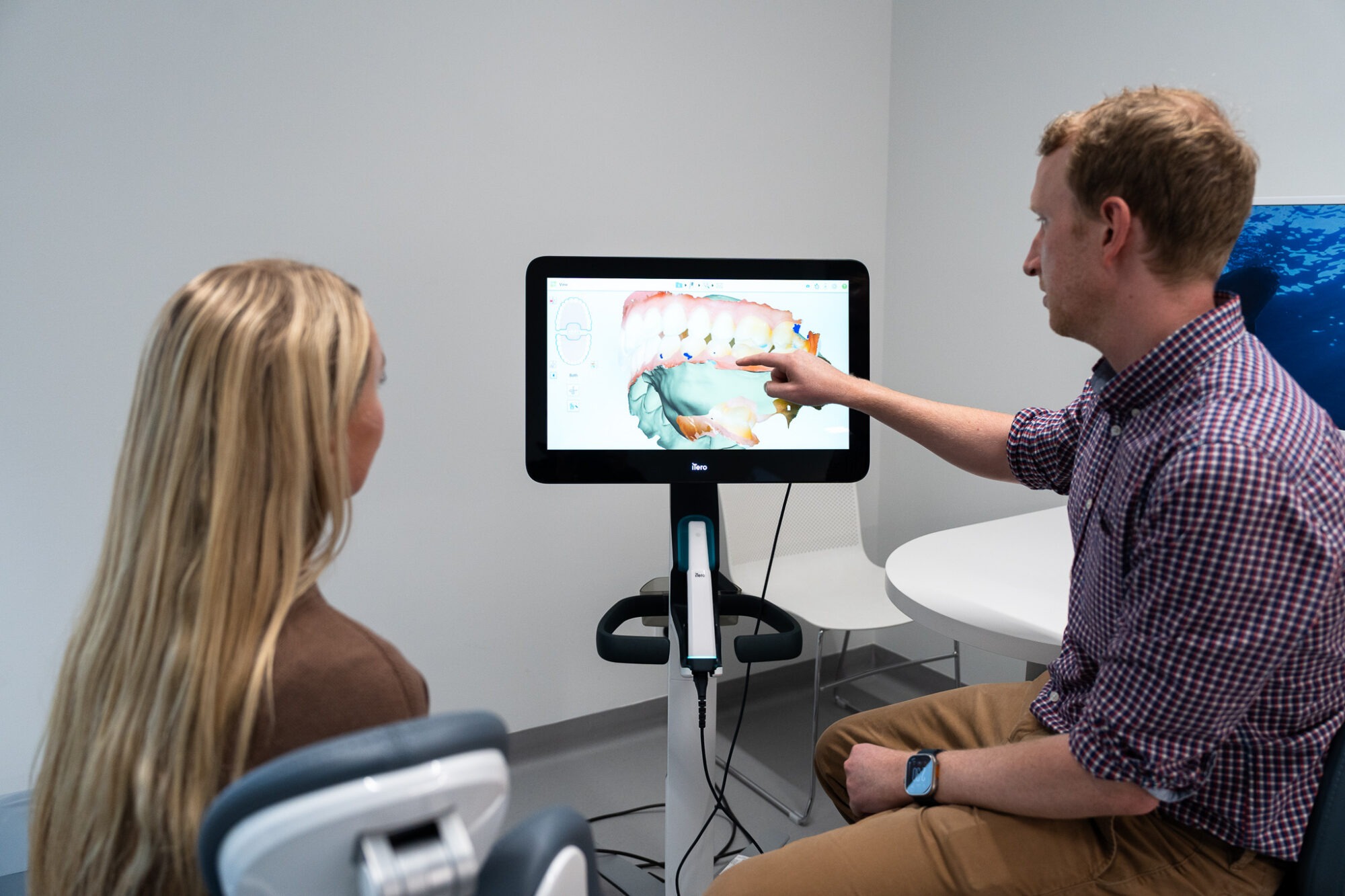
One group had treatment planned using a digital workflow with AI support. This included things like digital scans, virtual treatment planning, customised appliances, and remote monitoring.
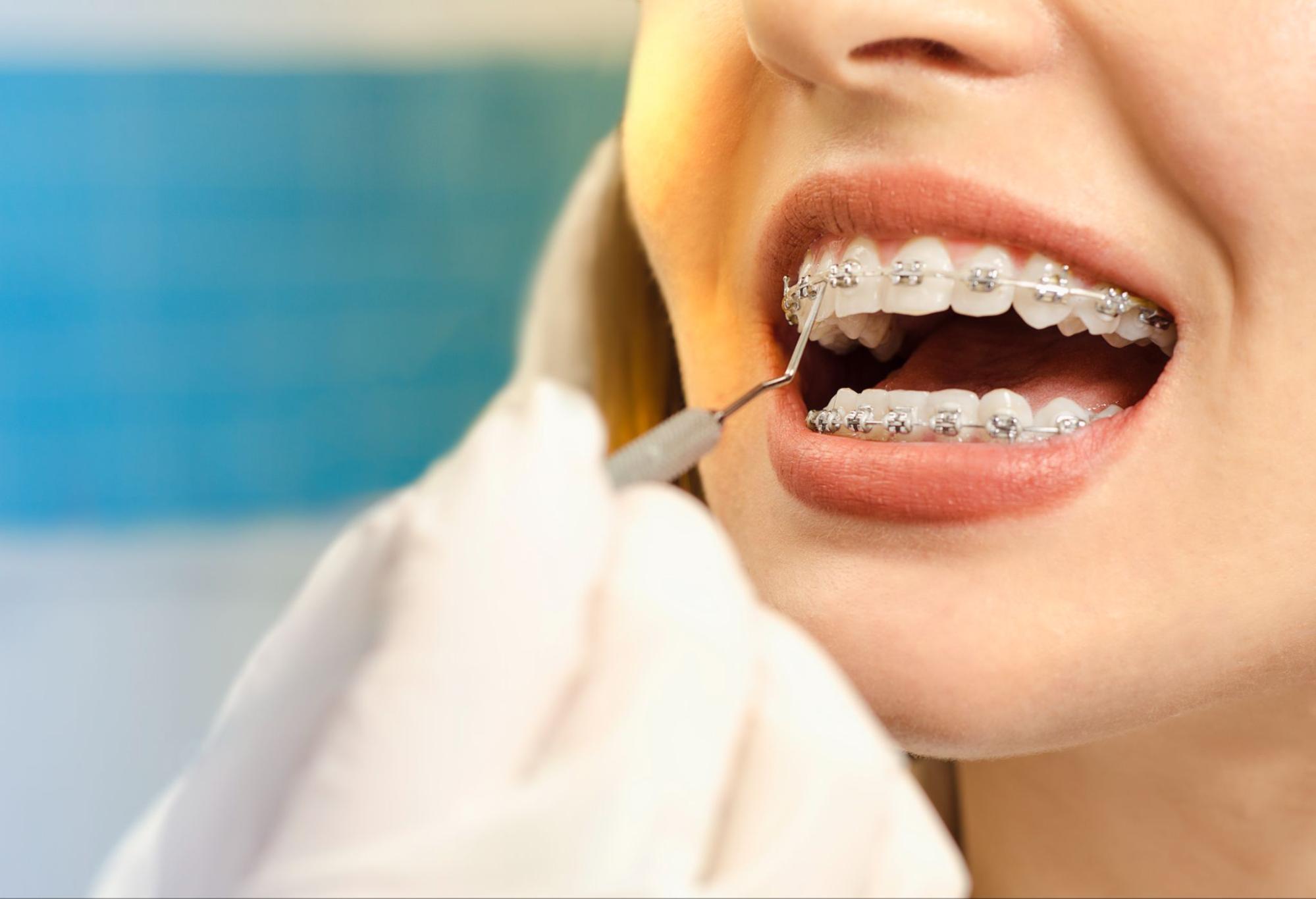
The other group had conventional fixed braces treatment.
Importantly, the AI did not replace the orthodontist. The orthodontists still checked the plans, made decisions, and guided the treatment.
What Did They Find?
The patients in the AI-assisted digital group had better final bite scores on average.
More patients in this group also achieved what the researchers called a “greatly improved” result.
In simple terms, the digital and AI-supported workflow seemed to help produce more accurate finishing in this study.
Does This Mean AI Is Better Than an Orthodontist?
No.
AI is a tool. It can help with planning, measuring, and monitoring treatment, but it does not replace clinical judgement.
Orthodontic treatment still needs a specialist to diagnose the problem, plan safe tooth movement, and adjust treatment when needed.
The best results come from combining good technology with experienced orthodontic care.
What Does This Mean for Patients?
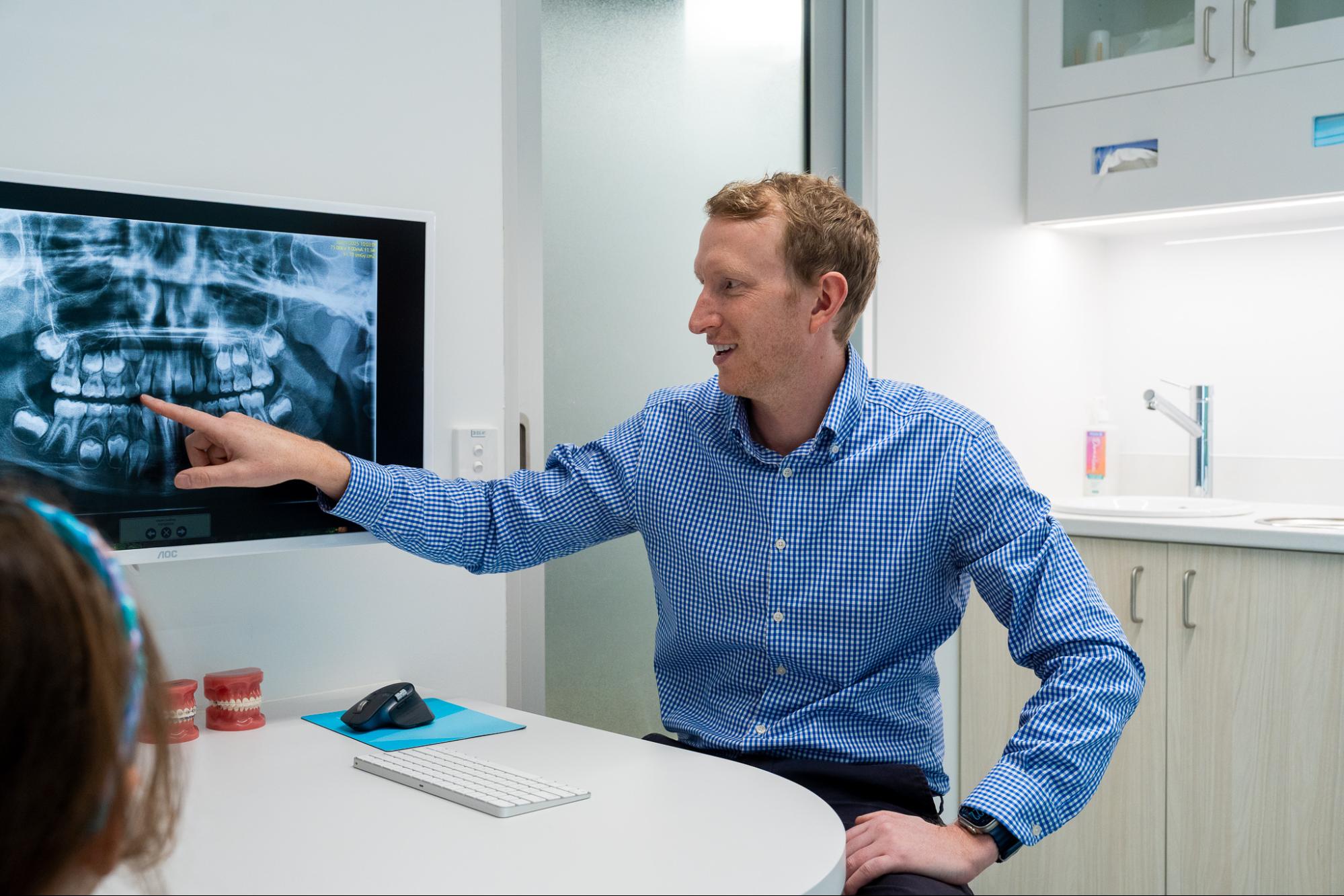
For patients, digital technology can make orthodontic treatment easier to understand and more precisely planned.
Things like 3D scans, digital simulations, and virtual treatment planning can help show how teeth may move and what the final smile could look like.
At Adelaide Orthodontics, we use modern digital technology to help plan treatment carefully and tailor it to each patient.
A Few Things to Keep in Mind
This study is encouraging, but it does not mean AI is magic.
The better results may have come from the whole digital workflow, not AI alone. The study also did not prove that treatment was faster, cheaper, or more comfortable.
More research is still needed.
The Bottom Line
AI may play a helpful role in modern orthodontics, especially when used alongside digital planning and specialist care.
But the orthodontist still matters most.
Technology can support better treatment, but it is the experience and judgement of the clinician that turns a digital plan into a healthy, confident smile.
Thinking about braces or clear aligners? Book a consultation with Dr Sven at Adelaide Orthodontics to find out what treatment options may suit you best.