
Choosing orthodontic treatment is a meaningful step toward improving oral health, bite alignment, and long-term comfort. For patients in Unley, Hahndorf, and surrounding Adelaide communities, one of the first questions is often the same: Which orthodontic option is right for me?
With modern orthodontics, there is no single “one-size-fits-all” solution. Treatment is designed around your age, dental development, bite concerns, lifestyle, and preferences. At Adelaide Orthodontics, patients are guided through these choices with clinical assessment and personalised planning.
This guide outlines the most common orthodontic options available today and how each may fit different needs.
Why Orthodontic Choice Matters
Orthodontic treatment does more than straighten teeth. It addresses how the upper and lower jaws meet, how evenly pressure is distributed when chewing, and how easily teeth can be cleaned. Misalignment can affect oral hygiene, speech, jaw comfort, and long-term tooth wear.
Because every patient’s smile develops differently, the most suitable treatment depends on:
- Age and growth stage
- The position of the teeth
- Bite alignment
- Jaw structure
- Oral hygiene habits
- Lifestyle considerations
Understanding how different systems work helps patients make informed decisions about their care.

Traditional Metal Braces
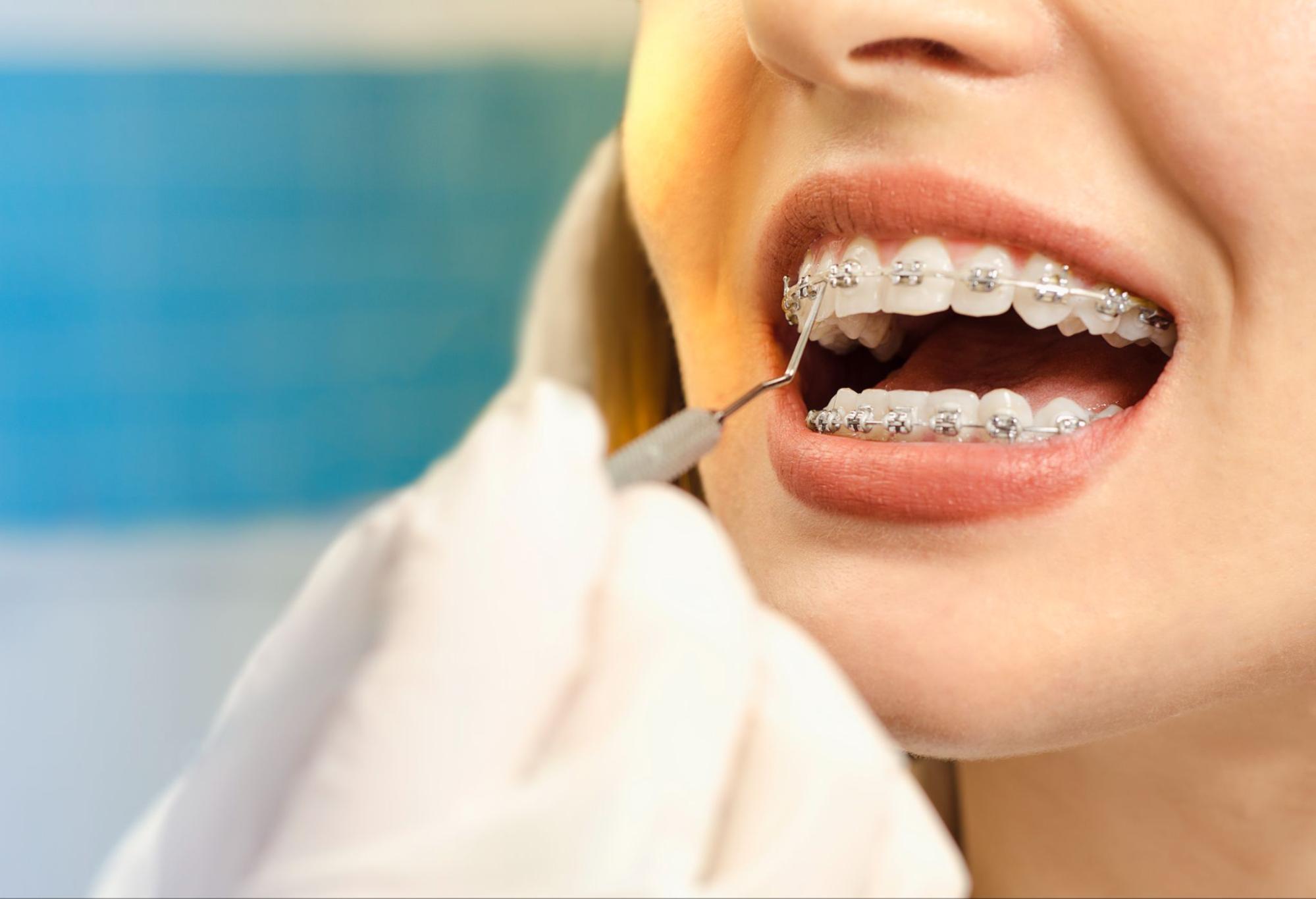
Metal braces remain one of the most widely used orthodontic systems. They use brackets attached to the teeth and a thin wire that gradually guides teeth into their planned positions.
What they are used for
Metal braces can correct a wide range of orthodontic issues, including:
- Crowding
- Spacing
- Overbites and underbites
- Crossbites
- Rotated or impacted teeth
Because of their versatility, they are often recommended for more complex cases.
Who they may suit
Metal braces are commonly used for:
- Children and teenagers
- Patients with significant alignment or bite concerns
- Those who prefer a fixed, low-maintenance system
They do not rely on patient compliance beyond good oral hygiene and attending scheduled visits.
Ceramic Braces
Ceramic braces function the same way as metal braces but use tooth-coloured or clear brackets, making them less noticeable.
How they differ
The brackets are designed to blend with natural tooth colour, which may make them less visually prominent in everyday interactions.
Who they may suit
Ceramic braces may be suitable for:
- Adults and older teens
- Patients who want a more discreet fixed option
- Those with moderate to complex orthodontic needs
They require careful cleaning, as lighter brackets can show staining if oral hygiene is inconsistent.
Clear Aligners
Clear aligners use a series of removable, custom-made trays that move teeth gradually over time. Each set is worn for a prescribed period before moving to the next.
How they work
Aligners are designed digitally based on a full orthodontic assessment. They apply controlled forces to guide tooth movement in small stages.
Who they may suit
Clear aligners may be appropriate for:
- Mild to moderate alignment concerns
- Adults and teens who prefer a removable option
- Patients who want minimal visual impact
Because aligners must be worn for most of the day, they require consistency and responsibility.
Early Orthodontic Treatment
Some orthodontic concerns are best addressed during childhood, while the jaws are still growing.
What early treatment involves
Early treatment may use appliances to guide jaw development, make space for incoming teeth, or address bite problems before they become more complex.
Who it may suit
Early orthodontic care is often recommended for:
- Children with crowded or protruding teeth
- Jaw growth discrepancies
- Habits such as thumb sucking
- Early or delayed tooth loss
This type of treatment does not always eliminate the need for braces later, but it can make future treatment more efficient.
Factors That Influence Your Best Option
No two patients have the same orthodontic needs. A consultation allows the orthodontic team to evaluate:
- Tooth and jaw alignment
- Facial balance
- Gum and bone health
- Oral habits
- Lifestyle preferences
For patients in Unley and Hahndorf, having access to local orthodontic assessment makes it easier to review all options and understand what will be most effective.
The Importance of Personalised Treatment Planning
Orthodontic systems are tools; how they are used is what determines results. A treatment plan considers not only straightening teeth but also how the bite will function long-term.
At Adelaide Orthodontics, treatment planning includes:
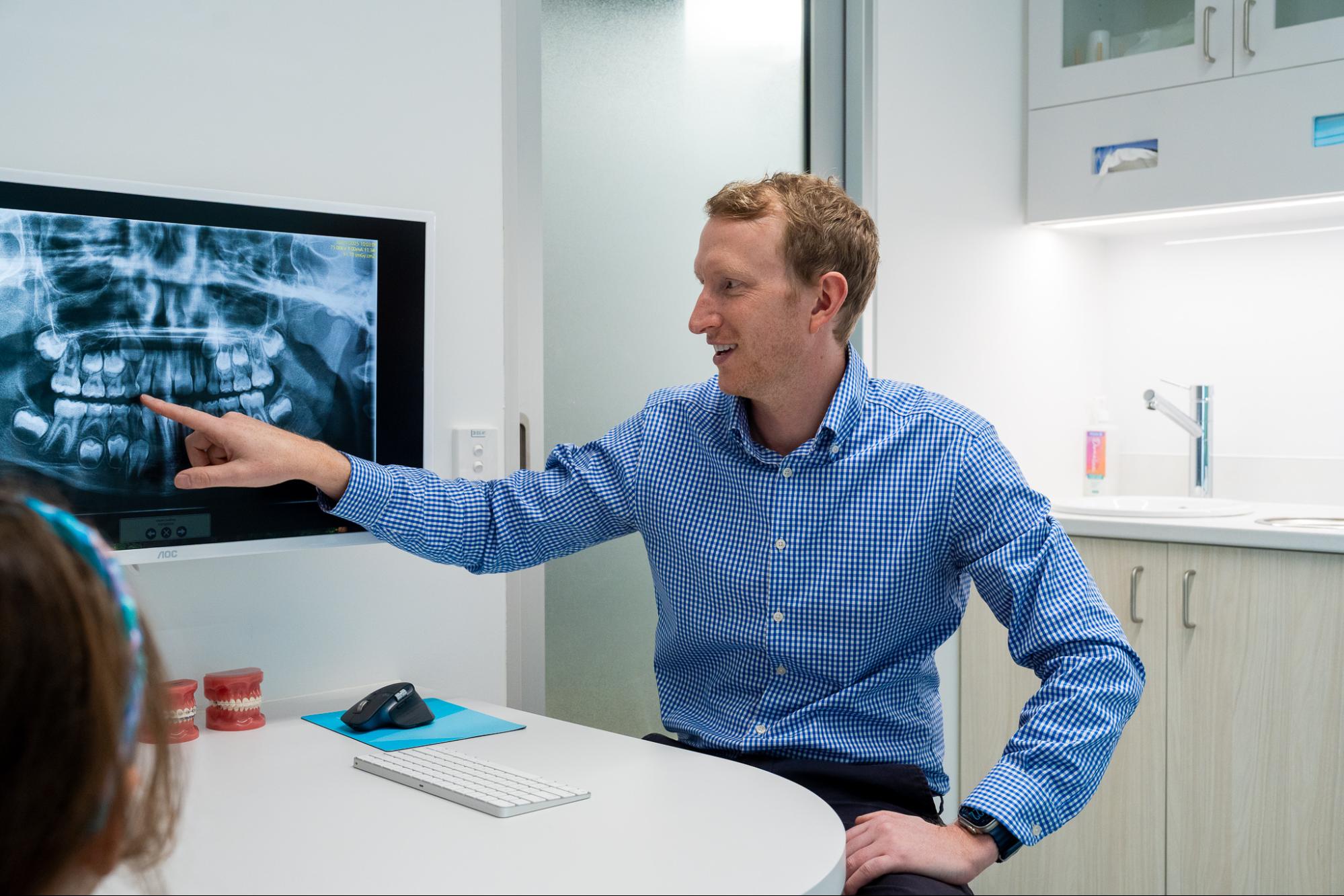
- Digital records and imaging
- Bite and jaw analysis
- Monitoring growth for younger patients
- Reviewing long-term stability
This allows each patient to receive care based on their specific dental and facial structure.
Choosing Treatment With Confidence
Selecting an orthodontic option is a collaborative process. Patients are encouraged to ask questions, understand timelines, and consider how treatment will fit into daily life.
Whether you live in Unley, Hahndorf, or nearby suburbs, having access to professional orthodontic care locally allows for ongoing support and regular monitoring, an important part of successful outcomes.
Which Orthodontic Option Is Best for You?
There is no universal “best” option, only what is most suitable for your needs. A professional assessment provides the information needed to choose a treatment path that supports both oral health and long-term stability.
If you are considering orthodontic care in Unley or Hahndorf, Adelaide Orthodontics offers consultations to help you explore your options and understand what treatment may be appropriate for your smile.