For many patients in Unley, Hahndorf, and surrounding Adelaide communities, sports are a major part of daily life. A common concern among orthodontic patients is whether braces or aligners will limit their ability to stay active.
The good news is that orthodontic treatment does not mean giving up sports. With the right precautions and planning, patients can continue to participate safely in most physical activities.
Why Protection Matters During Orthodontic Treatment
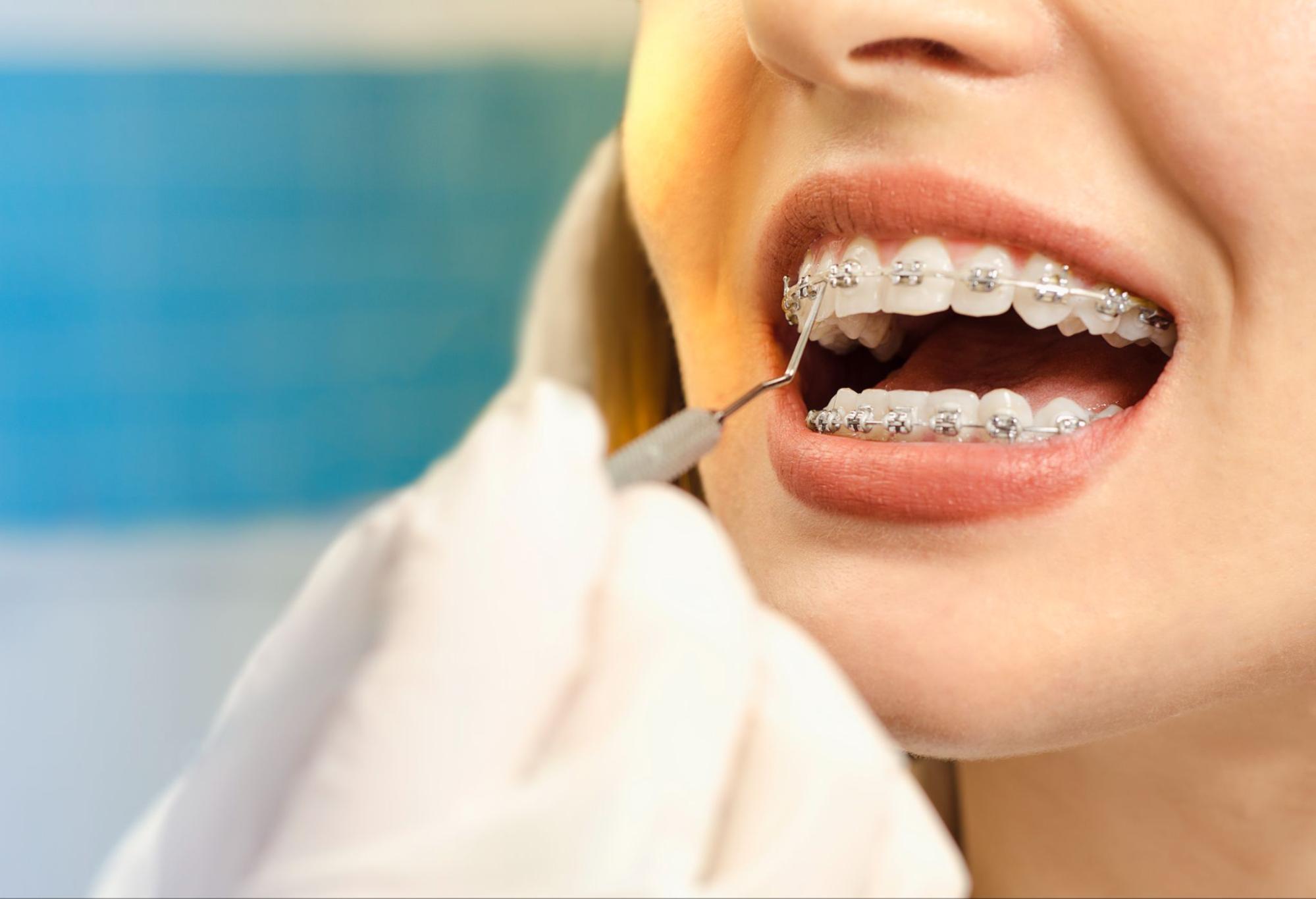
Braces and other orthodontic appliances add extra surfaces inside the mouth. While they are designed to be safe, they can increase the risk of soft tissue injury if the face is impacted.
Sports that involve:
- Physical contact
- Fast-moving equipment
- Risk of falls
create a higher chance of accidental bumps to the mouth.
This is why protection is an important part of orthodontic care for active patients.
The Role of Mouthguards
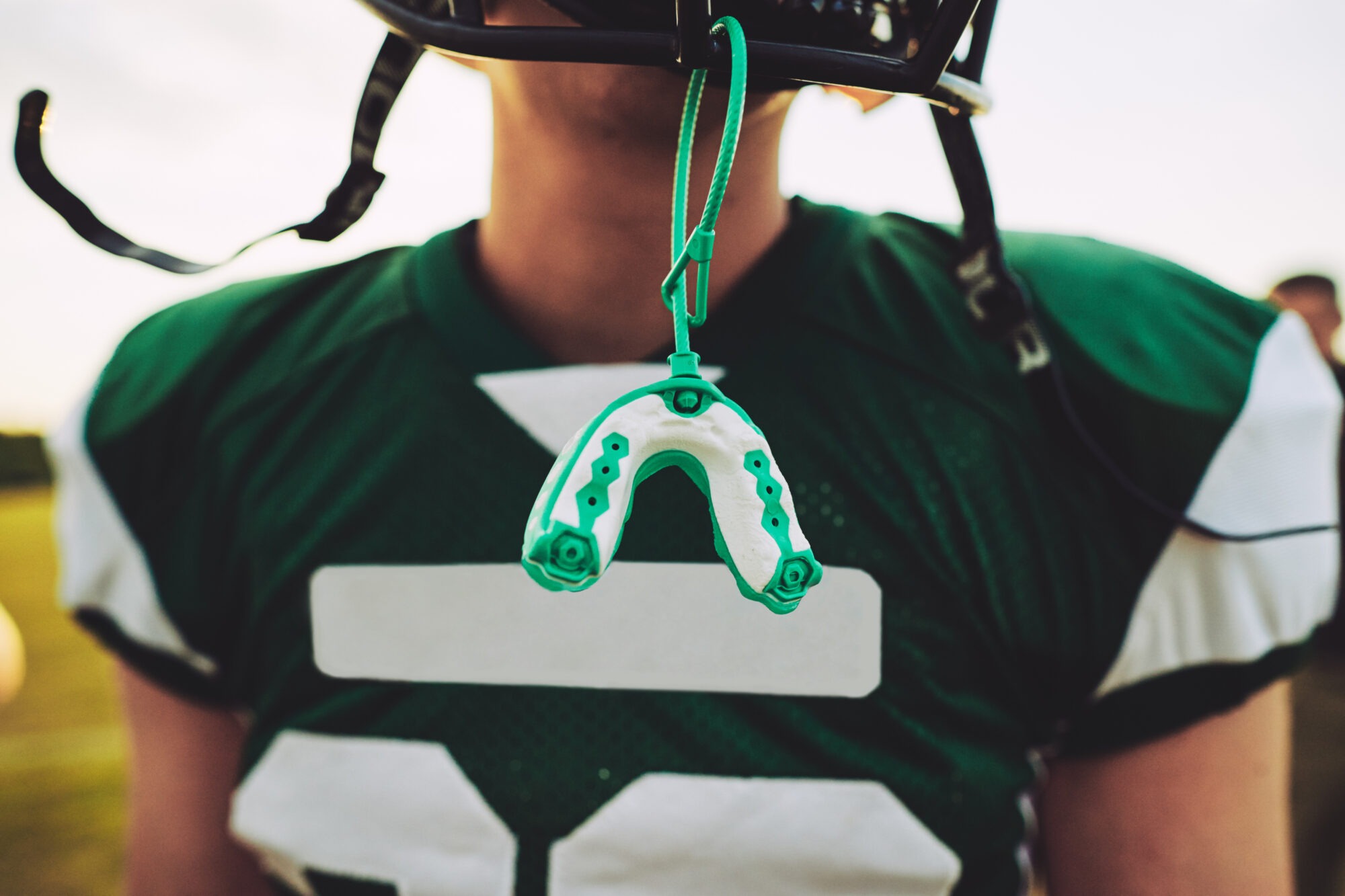
A mouthguard acts as a cushion between the teeth, braces, and soft tissues of the mouth.
What mouthguards do
They help:
- Absorb impact
- Reduce the risk of lip and cheek injuries
- Protect brackets and wires from damage
For orthodontic patients, mouthguards are especially important.
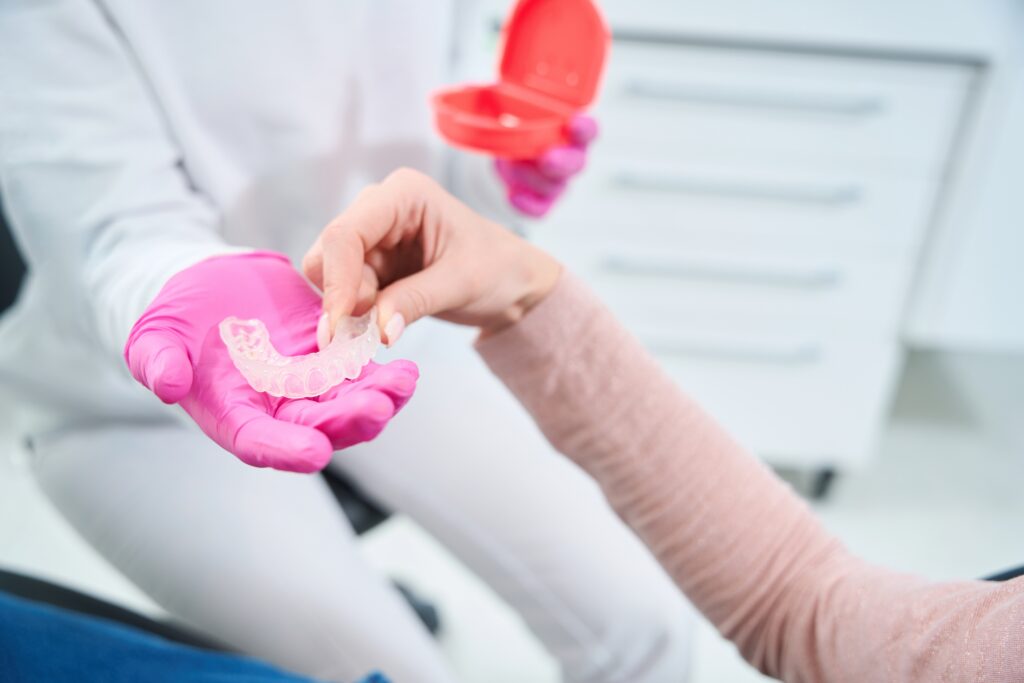
Types of Mouthguards for Braces
Stock mouthguards
These are pre-formed and ready to wear, but they often do not fit well over braces.
Boil-and-bite mouthguards
These are softened in hot water and shaped to the mouth. Some versions are designed to fit over braces and can be adjusted as teeth move.
Custom orthodontic mouthguards
These are made from impressions or digital scans taken at the orthodontic clinic. They provide a tailored fit over braces and offer the highest level of comfort and protection.
Patients in Unley and Hahndorf can ask their orthodontic team about suitable mouthguard options.
Playing Contact Sports With Braces
Contact sports such as football, basketball, hockey, and martial arts require extra care.
With the right mouthguard:
- Brackets are better protected
- Soft tissue injuries are reduced
- Teeth are less likely to be damaged
It is important to wear the mouthguard at all times during play and training.
Non-Contact and Low-Impact Sports
Activities such as:
- Swimming
- Running
- Cycling
- Tennis
- Dance
generally carry less risk, but accidents can still happen. Wearing a mouthguard may still be recommended depending on the activity.
What About Clear Aligners?
Patients using clear aligners have the advantage of removing their trays during sports. However, a mouthguard should still be worn to protect the teeth and gums.
Aligners should be replaced after activity to maintain consistent wear time.
Caring for Your Braces While Staying Active
Good oral care is especially important for athletes.
This includes:
- Brushing and flossing thoroughly
- Checking for loose brackets after impact
- Wearing protective gear as advised
- Attending regular orthodontic appointments
If damage occurs, contacting the orthodontic clinic promptly helps prevent delays in treatment.
Local Support for Active Patients
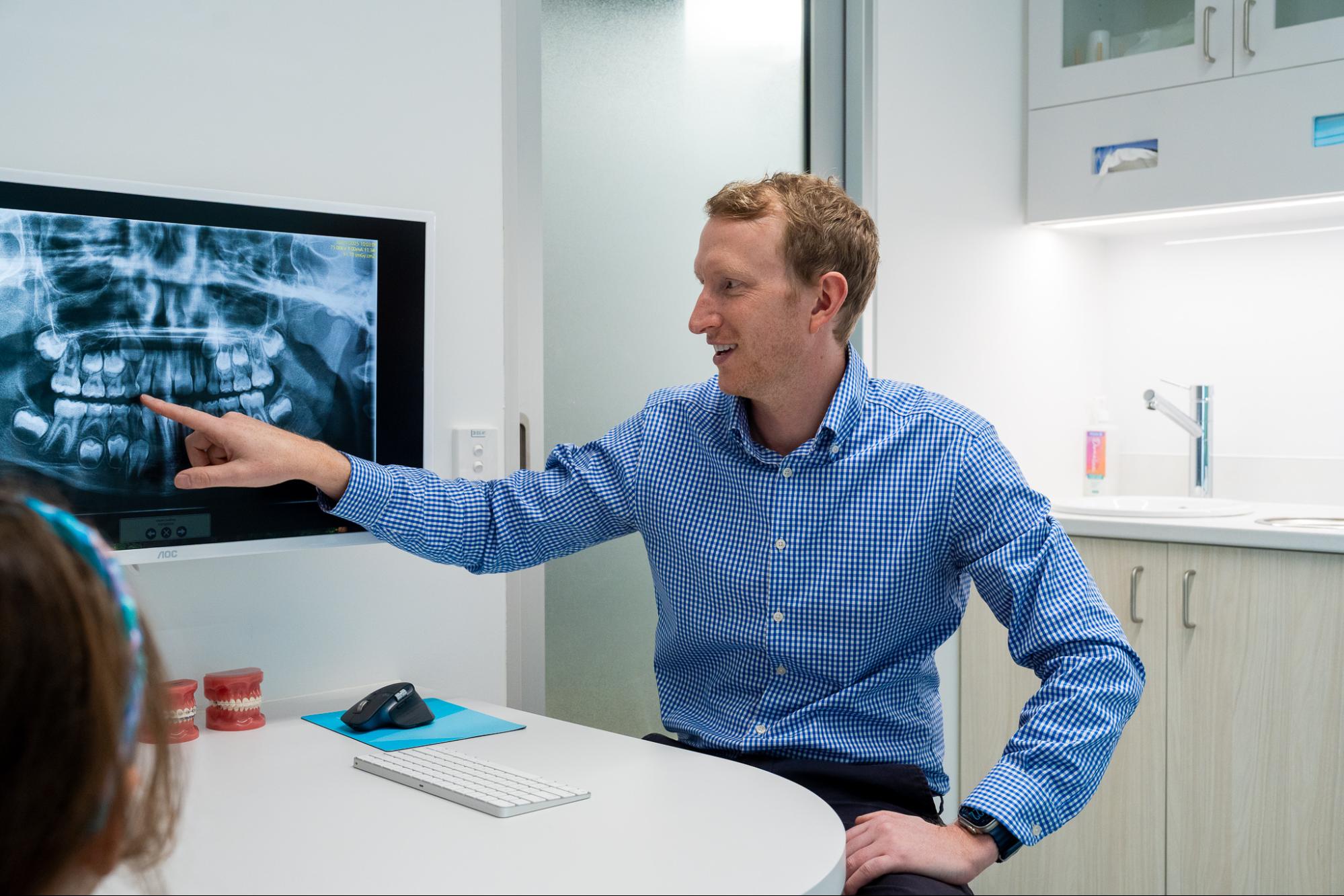
At Adelaide Orthodontics, patients in Unley and Hahndorf receive guidance tailored to their lifestyle, including sports participation. The orthodontic team can advise on appropriate mouthguards and how to protect the treatment during physical activity.
Staying Active With Confidence
Orthodontic treatment should not prevent patients from enjoying the activities they love. With proper protection and care, sports and braces can safely go hand in hand.
If you or your child participates in sports and is considering orthodontic treatment, a consultation can provide guidance on how to stay protected while working toward a healthier smile.